
What Are the Advantages of Wrought Iron Railing Denver
- jonas3145
- Nov 25, 2025
- 5 min read
If you’re exploring railing options for your Denver property — be it a deck, balcony, staircase, or fencing — you may have come across wrought iron railing Denver in your searches. But what makes wrought iron such a strong contender in Colorado’s climate and style environment? Let’s walk through the key advantages, local considerations, and tips so you can decide confidently.
1. Unmatched Strength & Durability
One of the biggest selling points of wrought iron is how durable and long-lasting it is. Unlike light-gauge metals (which may dent or bend), wrought iron stands up to real-life stresses with superior structural integrity.
In Denver, winters can bring snow, freezing temperatures, road salt, and large temperature swings. Wrought iron’s robustness makes it resistant to those stressors when properly finished. A quality wrought iron railing can last for decades, especially if you maintain its protective coatings.
2. Timeless Aesthetic & Architectural Flexibility
One of the joys of wrought iron is its flexibility in design. Because wrought iron can be forged, bent, and shaped while still retaining strength, you’re not limited to rigid, boxy designs. You can go ornate with scrolls and filigree or keep it minimal and modern.
This design versatility means you can find or create wrought iron railings that harmonize with Victorian, Craftsman, modern, or rustic styles. Denver’s architectural diversity—from Capitol Hill row houses to modern suburban homes—makes this flexibility especially valuable.
3. Enhanced Security & Safety
A well-designed wrought iron railing does more than look good — it offers real protection. Strong vertical bars, welded joints, and the option for pointed finials or narrow spacing mean it’s harder to climb or breach.
For stairs, balconies, or elevated decks, wrought iron gives reliable support for handrails. It feels solid under your grip and maintains structural integrity over time.
4. Low Maintenance (When Done Right)
While no material is truly "zero maintenance," wrought iron is relatively easy to care for with periodic inspections and protective finish maintenance. Most of the upkeep involves periodic inspections and reapplication of a protective finish (paint, powder coat, or sealant) to guard against rust.
Because wrought iron is so strong, small damages (scratches, chips) can often be repaired locally without replacing the entire section.
In Denver’s climate—with freezing winters and occasional snow melt—the main maintenance task is to ensure water (or salted runoff) doesn’t sit pooled against the metal, and to touch up protective coatings where needed.
5. Long-Term Value & Return on Investment
Because wrought iron railings last, they tend to increase a property’s perceived value (and sometimes the actual resale value). Curb appeal matters, and wrought iron, with its elegant craftsmanship, often signals quality and permanence.
In many markets, homes with custom or quality metalwork stand out to buyers as refined, low-maintenance, and durable — features that many homeowners are willing to pay a premium for.
Because the initial cost is higher than for cheaper materials, the long life and minimal replacement needs help justify the investment over time.
6. Better Resistance to Weather & Climate
Denver’s semi-arid, high-altitude climate poses challenges: high UV exposure, freeze-thaw cycles, occasional hail, and dry air. Wrought iron, when properly coated or galvanized, handles these better than many alternatives.
Also, unlike wood, metal doesn’t expand and contract with moisture changes. And unlike lower-grade metals, wrought iron has structural integrity that holds under stress.
7. Environmentally Friendly & Recyclable
Wrought iron is fully recyclable and can be repurposed, which helps reduce waste over its life cycle.
Moreover, because wrought iron lasts so long, you’re not disposing and replacing material frequently (as you might with wood or lower-quality metals), reducing resource consumption over decades.
Considerations and Best Practices for Denver Installations
Before you go full-steam ahead, there are a few things to keep in mind to ensure your wrought iron railing performs beautifully in Denver.
Permit & Local Codes
Denver (and surrounding municipalities) has rules about railing heights, spacing, and materials — especially for safety around decks, balconies, and staircases. Be sure to check local building codes and get proper permits before installation.
Proper Coating & Protection
The key to a long life is how well the iron is protected from corrosion. Options include galvanizing, powder coating, or high-quality industrial paints. Touch-up paint kits may be a good idea for maintenance.
Drainage & Exposure
When placing railings, consider how water will run off or accumulate around base plates or joints. Avoid horizontal surfaces that collect standing water. Designing for drainage helps reduce corrosion stress.
Professional Installation & Welding
Wrought iron is heavy and requires skilled welders and fabricators to ensure clean joints, structural integrity, and proper anchoring. Poor workmanship can negate many of the benefits.
Design & Style Matching
Because wrought iron is customizable, take the time to choose or design a style that matches your home’s architecture. In Denver neighborhoods, blending with local style (brick, stone, stucco, mountain modern) will make your railing feel like a natural fit.
Maintenance Plan
Set a schedule for inspections (annually or biannually), cleaning, and touch-ups to keep corrosion at bay. Keep foliage trimmed away to prevent moisture retention near metal.
Why “Wrought Iron Railing Denver” Is a Smart Search
If you're looking for “wrought iron railing Denver,” chances are you're seeking:
Local fabricators experienced with Colorado’s climate
Contractors who know Denver’s building codes and permit process
Styles and finishes suited to Denver architecture
Suppliers offering high-grade materials and coatings appropriate for mountain weather Working with a local railing and metal-art shop gives you the benefit of local expertise, faster responsiveness, and solutions tailored to your unique environment.
Denver Railings & Metal Art, for example, emphasizes combining artistry, structural reliability, and custom finishing to deliver railings built for Colorado conditions. (This aligns with the kind of value local customers often expect.)
Sample Use-Cases & Ideas

Here are a few real-world ways to put wrought iron railing to work in a Denver property:
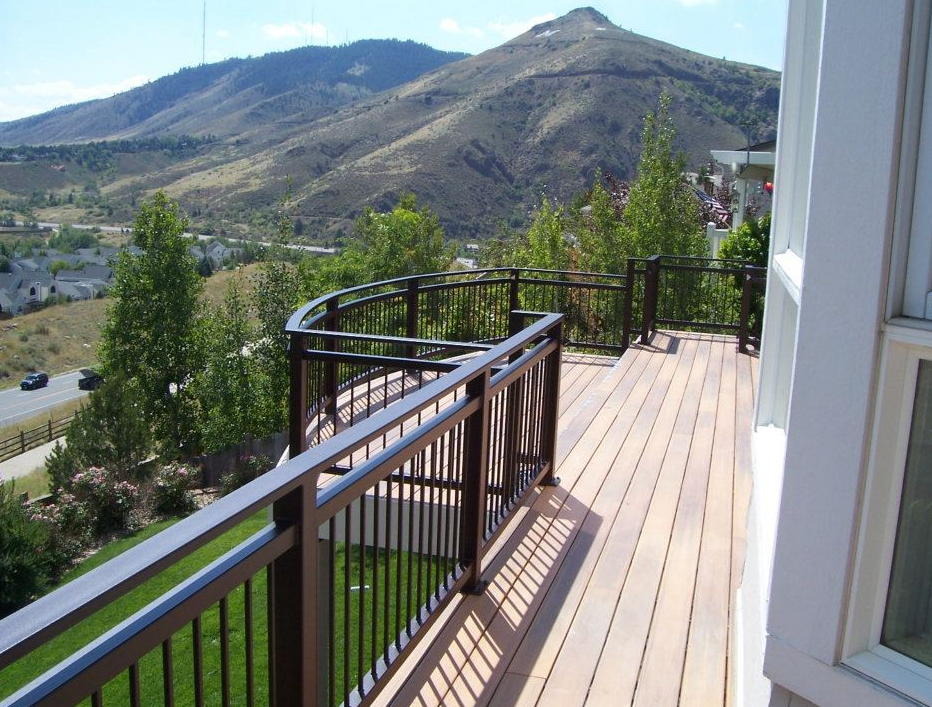
Decks and Balconies: Replace dated wooden rails with wrought iron to open up sightlines to Denver views while ensuring safety.
Interior Staircases / Loft Rails: Use wrought iron infill, balusters, or scrollwork sections to blend with wood or concrete.
Gates & Entryways: Gate inserts, pedestrian gates, or driveway gates made in wrought iron add consistency across your metal elements.
Accent Walls / Partition Panels: Metal art pieces or privacy screens made from wrought iron can be incorporated alongside railings for visual continuity.
Retaining Wall Caps or Landscape Rails: Along terraces, paths, or slopes, wrought iron can act as both security and decorative boundary.
Final Thoughts
If you’re weighing materials for your next railing—or considering upgrading from wood or aluminum—wrought iron railing Denver offers a compelling blend of beauty, strength, longevity, and value. When designed well and maintained properly, it becomes a durable piece of craftsmanship that ages gracefully rather than wearing out.
In Denver’s climate, where UV radiation, snow, freeze-thaw cycles, and strong winds are real concerns, the resilience of wrought iron is a huge advantage. Just make sure you work with fabricators and installers who understand both the artistry and the engineering side. The payoff is a railing that not only looks elegant but performs reliably for decades.
Comments